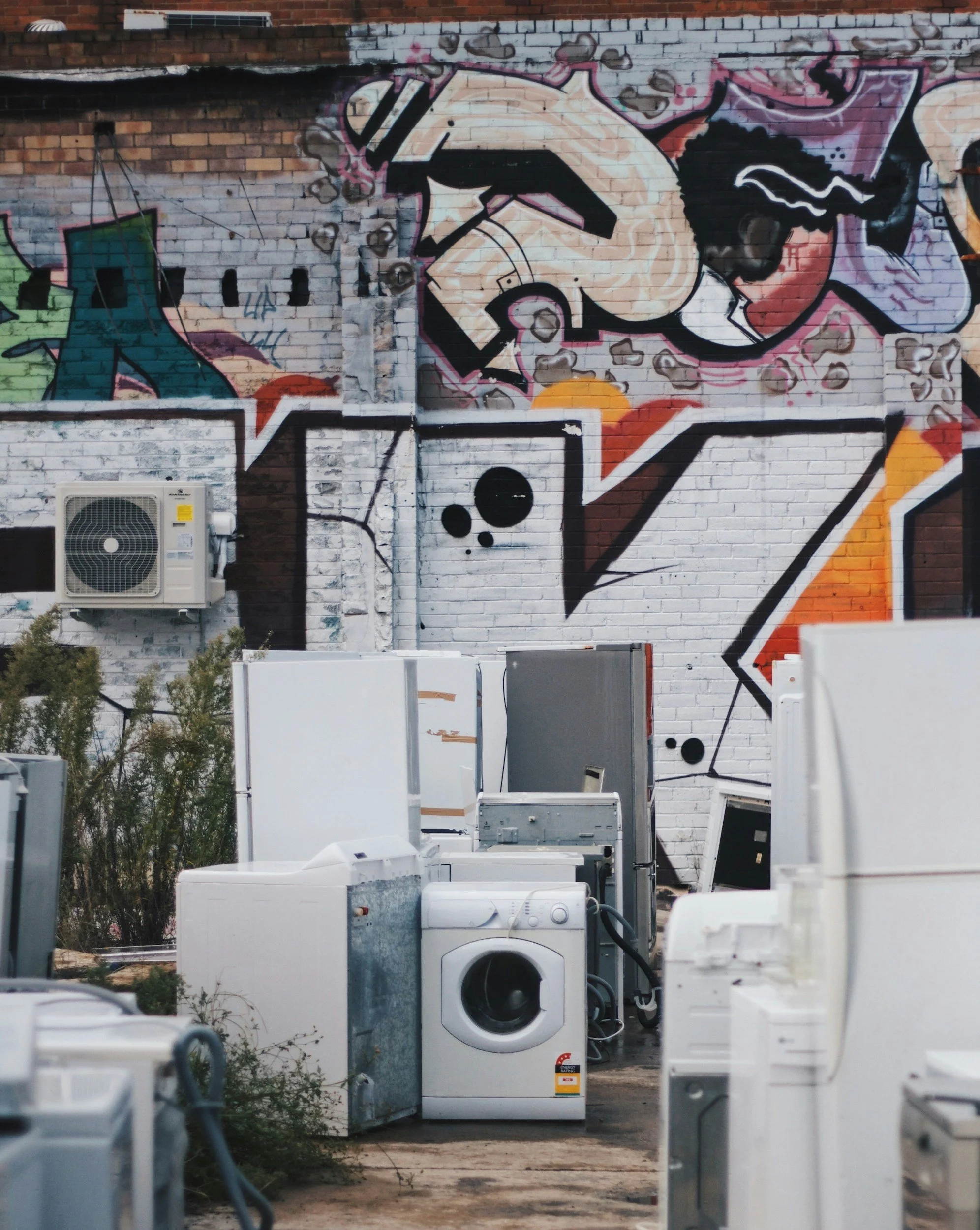
Go green with Value Appliance Repair!
Over 37.4 million U.S. tons of appliances and e-waste end up in landfills each year.
Too many people throw away perfectly good working appliances for upgrades, or looks. Value Appliance wants to change that.
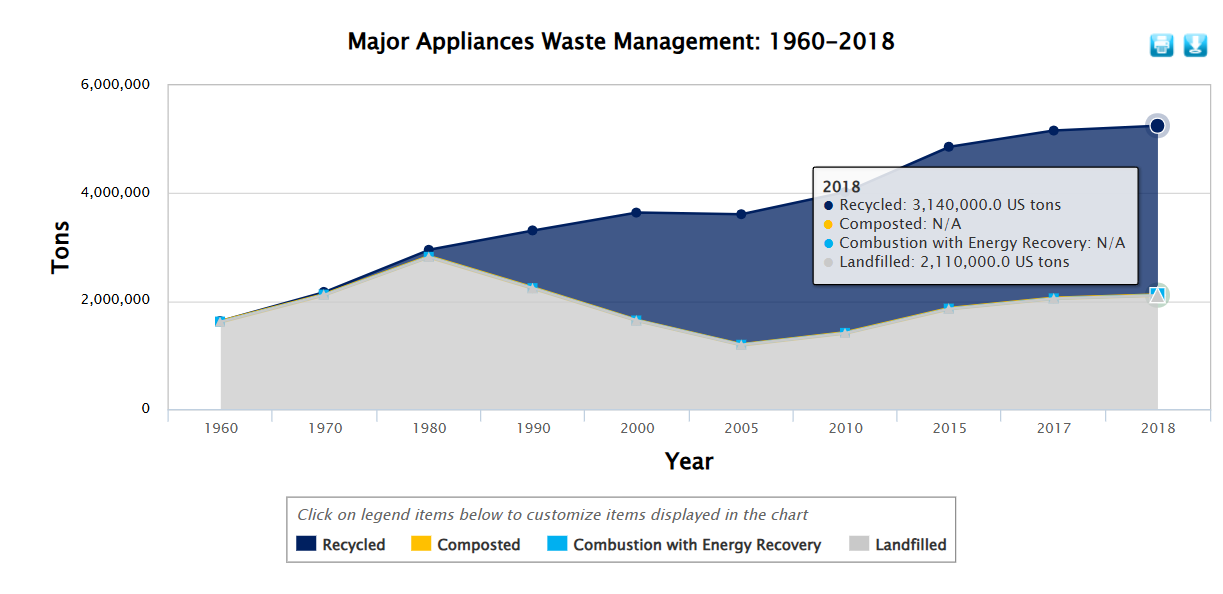
Large appliances such as- refrigerators, washers, dryers, stoves, and ranges — made up 5.3 million tons of waste in 2018 (about 1.8% of municipal waste). Many recyclers focus on metal, but appliances also contain foam, plastics, glass, and other materials.
Repairing instead of replacing is better for the environment and usually cheaper. If you must replace an appliance, ask your recycler whether they actually recycle most parts. Prefer a licensed, EPA-certified refrigerant recovery service for safe removal of environmental hazards and harmful substances instead of letting a big retailer haul it away.
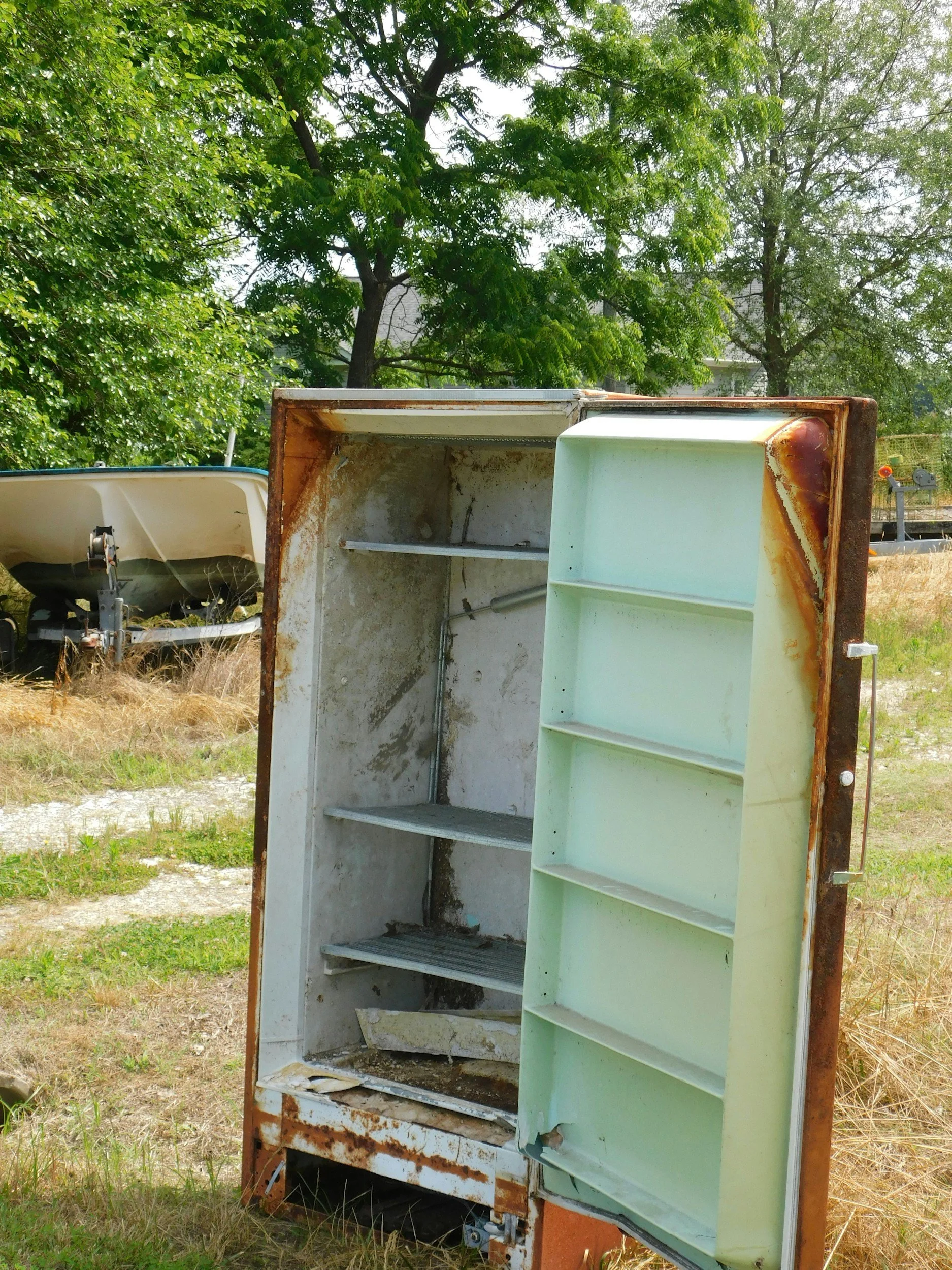
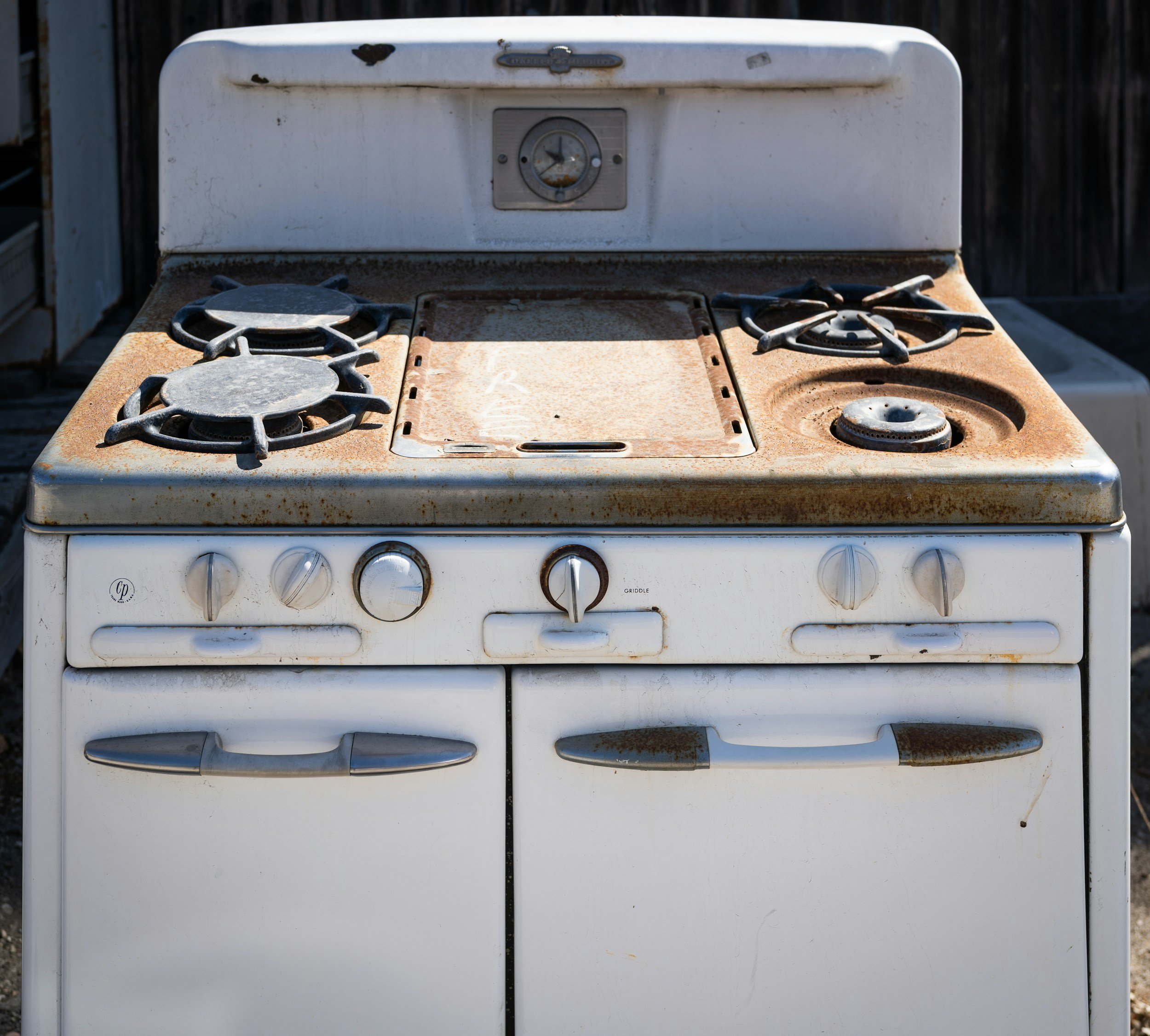
BUYERS GUIDE-
Ultimately we hope that you decide to repair your appliance over replacement but I wanted to provide this because we get asked what we recommend as appliance repair experts.
The Golden Rule: Simple is Better
If you want an appliance that lasts, skip the bells and whistles. Reliability is inversely proportional to the number of features.
Tactile over Tech: Choose physical buttons over touchscreens every time.
Fewer Failure Points: The more "smart" features a machine has, the more there is to go wrong.
Expert Tip: If you want the ultimate reliability, look for basic American-made appliance manufactured between 1980–2010. I still repair these machines regularly because they were built to be serviced, not replaced.
🧺 Laundry: Washers & Dryers
When buying new, focus on brands that prioritize mechanical integrity over fancy cycles.
Washing Machines
Top Picks: Speed Queen, Whirlpool, Amana, Maytag, and LG.
Performance Note: Research the difference between agitators (traditional) and washplates (HE/Impeller). Many users find traditional agitators provide a better clean.
Front Loaders: If you go this route, be aware of mold buildup on the front seal. Look for models with a kickplate at the bottom; this allows easy access to the drain pump when it inevitably needs a cleaning.
Dryers
Top Picks: Speed Queen, Whirlpool, Amana, Maytag, LG, and Samsung.
Note: Dryers are generally simpler machines, but staying with these brands makes finding parts much easier.
🍳 Ranges & Ovens
Cooking tech has stayed relatively simple, but modern designs can be a nightmare to fix.
Top Picks: Whirlpool, Amana, Maytag, Frigidaire, or GE.
The "Back Wall" Rule: I prefer control knobs placed on the back console. It keeps them away from heat and out of reach of curious children.
Repairability: Avoid built-in ovens or drop-in stovetops if possible. They are significantly more expensive to repair and difficult to pull out of the cabinetry.
Surface Choice: Keep in mind that while glass stovetops look sleek, they are much pricier to fix if they crack or the heating element fails.
🧊 Refrigerators
The refrigerator is usually the first thing to break in a modern kitchen. Keep it basic to keep it cold.
Top Picks: Whirlpool, Amana, Maytag, and Frigidaire.
The Ice Maker Rule: Only buy a model with the ice maker located in the freezer. In-door ice dispensers are the #1 source of service calls.
The "Run Away" Red Flags: 1. If it has more than one display screen.
2. If it uses more than one evaporator.
3. If you remove the ice bucket and still can’t easily see the ice-making mechanism.